
Top Products For Interior Paintings To Transform Your Space
Explore essential tools and supplies that help achieve smooth, professional-looking interior paint finishes with ease.
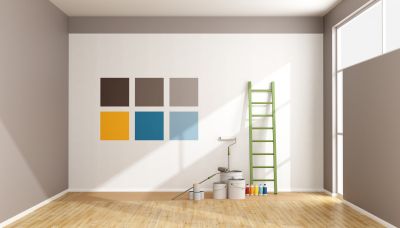 Interior painting projects in Plano, TX, often require a variety of products to achieve a professional and polished look. From selecting the right brushes and rollers to choosing appropriate primers and finishing coats, the array of available tools and supplies can seem overwhelming. Understanding the different types of products and their specific uses can help homeowners and professionals alike make informed decisions that enhance the quality of their interior spaces. Whether updating a single room or renovating multiple areas, the right products can facilitate smoother application and more consistent results.
Top Overall Option
Multi-Purpose Interior Paint
A versatile interior paint suitable for walls, ceilings, and other surfaces, offering good coverage and ease of application. It provides a neutral base that can be used with various finishes and is compatible with different primers and topcoats, making it an adaptable choice for many interior projects.
Types of Products For Interior Paintings
Interior Paint Brushes
Various brush types designed for precise edging, detailed work, and smooth coverage on different surfaces.
Paint Rollers
Different roller nap lengths and materials tailored for smooth, semi-smooth, or textured surfaces.
Paint Sprayers
Equipment for fast, even application over large areas or intricate surfaces.
Primers and Sealers
Products used to prepare surfaces, improve adhesion, and block stains or odors.
Painter's Tape
Masking tape that creates clean lines and protects edges during painting.
Drop Cloths and Tarps
Protective coverings to shield furniture and flooring from paint splatters.
Paint Extenders and Additives
Enhance paint properties such as flow, leveling, or drying time.
Finish Coats and Topcoats
Clear or tinted coats that add durability and aesthetic appeal.
Edge and Corner Tools
Specialized tools for precise cuts and detailed work in tight spaces.
Cleaning Supplies for Tools
Solvents and cleaners to maintain brushes, rollers, and sprayers.
Touch-Up Pens and Markers
Tools for minor corrections and detailed finishing touches.
Interior Paint Additives
Products that modify paint characteristics such as sheen, drying time, or texture.
Popular Choices
Widely used for general wall coverage, available in various finishes and colors.
Formulated for ceilings, often with flat finishes to hide imperfections.
Essential for preparing surfaces, especially when covering dark colors or stains.
Facilitate painting high or hard-to-reach areas efficiently.
Helps achieve clean lines and protect adjacent surfaces.
Protect flooring from drips and splatters during painting.
Adds depth and character to interior walls with textured finishes.
Offers reduced odor and emissions for indoor air quality.
Reduces drying time, enabling faster project completion.
Assist in creating sharp, professional-looking borders.
Includes various sizes for precision painting and touch-ups.
Protect and finish painted surfaces for added durability.
Effective for removing old paint or prepping surfaces.
Create decorative patterns and textured effects on walls.
Help improve the flow and leveling of paint for smoother finishes.
When considering interior painting supplies, it's important to evaluate the surfaces to be painted, the desired finish, and the level of durability needed. High-quality brushes and rollers can make a significant difference in application, reducing streaks and ensuring even coverage. Primers are essential for preparing surfaces, especially when transitioning between different colors or covering stains. Protective materials such as painter's tape and drop cloths help maintain cleanliness and prevent accidental damage. Finishing products like sealers and clear coats can add longevity and a refined appearance to the final paint job.
In addition to traditional tools, modern innovations have introduced products that improve efficiency and ease of use. Low-odor paints and quick-drying formulations can reduce project times and improve indoor air quality. Specialty products for specific surfaces, such as textured walls or ceilings, allow for creative expression and customization. As the interior painting process involves multiple steps, selecting versatile and reliable products can streamline the workflow, resulting in a more satisfying transformation of your space in Plano, TX.
Key Buying Considerations
- Surface Compatibility: Ensure the product is suitable for the specific interior surface you plan to paint.
- Finish Type: Choose between matte, eggshell, satin, semi-gloss, or gloss based on desired appearance and durability.
- Coverage Area: Consider the amount of paint or supplies needed for your project size.
- Application Method: Decide whether brushes, rollers, or sprayers best suit your project and skill level.
- Drying Time: Look at drying and curing times to plan your workflow efficiently.
- Ease of Use: Select products that are user-friendly, especially if DIY painting is involved.
- Odor and VOC Levels: Opt for low-odor or low-VOC options if indoor air quality is a concern.
- Color Options: Verify the availability of the colors or finishes you desire.
- Durability: Consider products that offer appropriate resistance to wear, stains, or moisture for the room’s purpose.
- Price and Budget: Balance quality and cost to find products that meet your project needs without overspending.
- Brand Reputation: While avoiding specific brand mentions, look for products with positive reviews and reliable performance.
- Environmental Conditions: Take into account humidity and temperature levels in your space, which can affect drying and adhesion.
- Preparation Requirements: Some products may require priming or surface preparation for optimal results.
- Post-Application Maintenance: Consider how easy it is to clean or touch up the painted surfaces later.
- Compatibility with Existing Paint: Ensure new products will adhere well to existing finishes if repainting over old paint.